
Shoulder Arthroscopy
Our Expertise
Shoulder Injuries
Recurrent Shoulder dislocation
Rotator Cuff Tear
Injuries around Shoulder
Slap Tears
Knee Injuries
ACL Injury
PCL Injury
Meniscus Injury
MPFL/MCL/LCL Injury
Cartilage Injury
Sport Injuries
ATFL Tear
Tennis Elbow
Golfer Elbow
Hip Labrel Tear
Treatment and Procedures
Shoulder Arthroscopy
Shoulder Replacement
Knee Arthroscopy
Knee Replacement
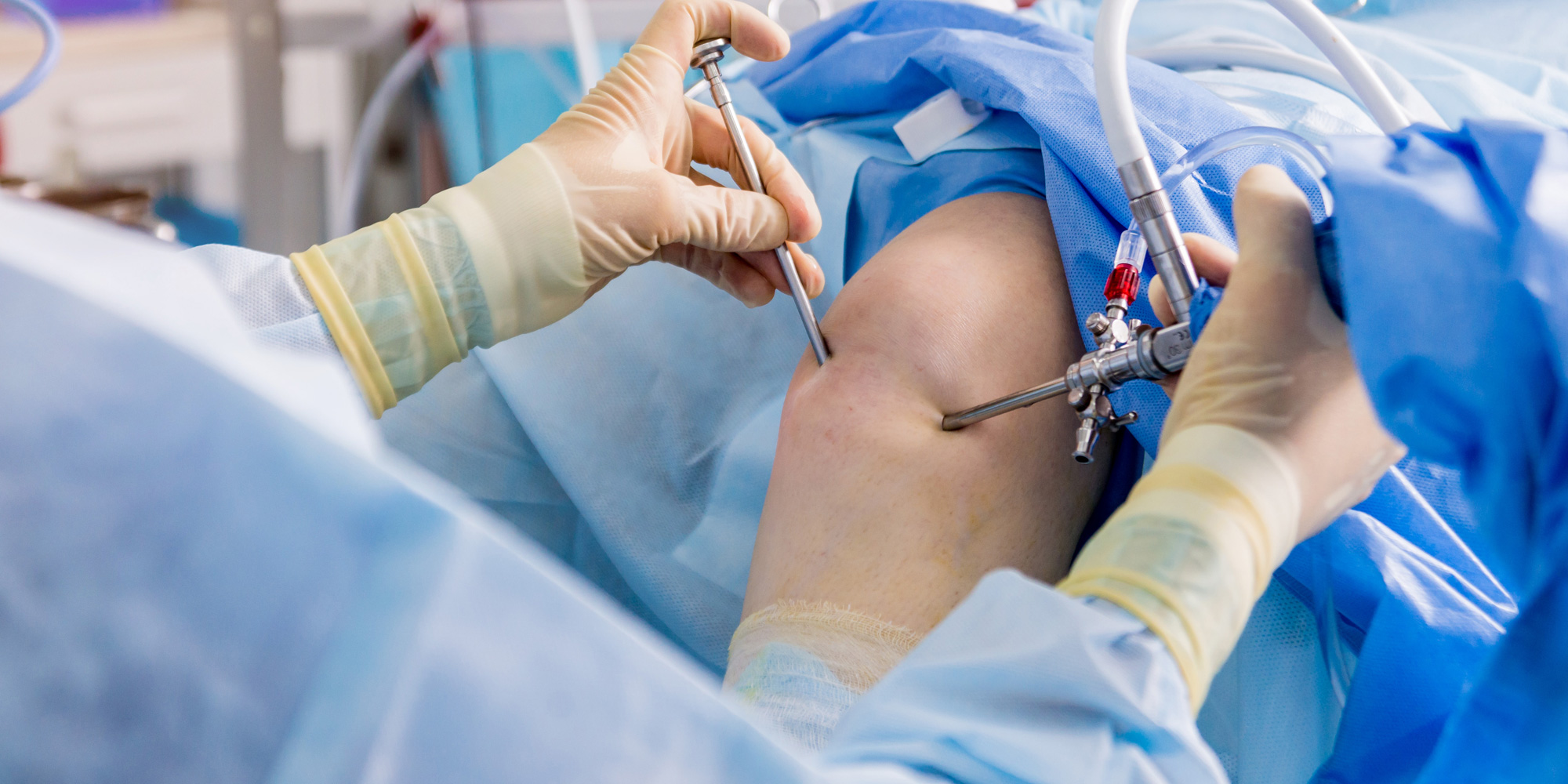
Shoulder arthroscopy is a minimally invasive surgical technique in which a small camera — the arthroscope — is inserted into the shoulder joint through a tiny incision, allowing the surgeon to see, diagnose, and treat a range of shoulder conditions without the larger cuts that traditional open surgery requires. Dr. Abhishek Saxena, fellowship-trained in shoulder arthroscopy and sports medicine, performs shoulder arthroscopy at Shalby Multi-Specialty Hospital, Vaishali Nagar, for patients across Jaipur and Rajasthan.
How Shoulder Arthroscopy Works
Shoulder arthroscopy is not a single procedure — it’s a technique applied to a wide range of specific shoulder conditions. The most common problems Dr. Saxena treats arthroscopically include:
Rotator cuff repair — reattaching torn rotator cuff tendons to the bone using small anchors and sutures, restoring strength and overhead function.
Bankart repair (shoulder stabilization) — reattaching the torn labrum to the glenoid socket in patients with recurrent shoulder dislocation, rebuilding the joint’s natural stability to prevent further episodes.
SLAP tear repair — repairing or, where appropriate, releasing the torn labrum at the top of the shoulder socket, particularly common in throwing athletes and those who have fallen onto an outstretched arm.
Subacromial decompression — removing bone spurs or inflamed bursa tissue to create more space for the rotator cuff tendons in patients with shoulder impingement, reducing pain with overhead movement.
Capsular release for frozen shoulder — cutting the tightened shoulder capsule in patients with adhesive capsulitis who have not improved with conservative treatment, immediately restoring range of motion.
Loose body removal — removing fragments of cartilage or bone that are causing catching, locking, or pain inside the joint.
Is Shoulder Arthroscopy Right for You?
Shoulder arthroscopy is considered when a shoulder condition has been accurately diagnosed and either requires surgical repair — such as a full-thickness rotator cuff tear or a confirmed Bankart lesion — or hasn’t responded to a genuine trial of conservative treatment including physiotherapy and injections. It is suitable for a wide age range, from young athletes with instability to older adults with rotator cuff damage or frozen shoulder.
The right candidacy decision is always based on the specific diagnosis, your activity goals, and what the clinical and imaging findings show — not simply the presence of pain. Dr. Saxena’s evaluation will clearly explain whether arthroscopy is the appropriate next step, and what the realistic outcome looks like for your specific situation.
Before, During, and After the Procedure
Before Surgery
A pre-operative assessment confirms that you are fit for the procedure and the planned anaesthetic. You will typically be asked to fast for several hours before the operation and to arrange for someone to take you home the same day.
During Surgery
Shoulder arthroscopy is performed under general anaesthesia combined with a regional nerve block — a targeted local anaesthetic that significantly reduces pain in the immediate hours after surgery, often meaning patients wake up with little to no shoulder discomfort. The procedure itself typically takes between 45 minutes and 90 minutes depending on the complexity of the repair.
After Surgery
Most shoulder arthroscopy patients go home the same day. The shoulder is placed in a sling, and initial discomfort is managed with standard pain medication. You will be given clear instructions on sling use, wound care, and the start of your physiotherapy programme before you leave.
Recovery After Shoulder Arthroscopy
Recovery timelines vary based on what was done inside the joint — a subacromial decompression has a faster return to daily activity than a rotator cuff repair, which requires the tendon to heal fully before being loaded. As a general guide:
- Daily activities — most patients return to basic daily activities within 2–4 weeks
- Driving — typically resumed within 4–6 weeks, once the sling is no longer needed and the arm can be safely controlled
- Physical work or overhead activity — 3–4 months, depending on procedure and strength recovery
- Return to sport — 4–6 months for most sports; contact or overhead sport may take longer, with clearance based on strength and stability testing rather than a fixed date
Physiotherapy is a non-negotiable part of recovery — the arthroscopic repair is only as successful as the rehabilitation that follows it. Dr. Saxena provides a structured rehab plan from the first post-operative visit, with milestones tracked against your specific goals.
Advantages over open surgery
- Significantly smaller incisions — typically 3 one-centimetre cuts versus a 10–15 cm open incision
- Less damage to surrounding muscle and soft tissue
- Lower risk of post-operative infection and scarring
- Reduced post-operative pain — often dramatically less than patients expect
- Same-day discharge in most cases — no overnight hospital stay required
- Faster return to daily activities and sport
FAQ
How long does shoulder arthroscopy take?
Most procedures take between 45 and 90 minutes, depending on the complexity of the repair being performed. You should expect to be at the hospital for several hours in total, including pre-operative preparation and post-operative recovery.
Will I be put to sleep for shoulder arthroscopy?
Yes — shoulder arthroscopy is performed under general anaesthesia, combined with a regional nerve block that provides targeted pain relief immediately after surgery, often meaning you wake up with minimal shoulder pain.
Can all shoulder problems be treated arthroscopically?
Most common shoulder conditions — rotator cuff tears, instability, SLAP tears, impingement, and frozen shoulder — can be treated arthroscopically. A small number of cases with very large tears, significant bone loss, or advanced arthritis may require open surgery or shoulder replacement instead. Dr. Saxena will advise you clearly on which approach is appropriate for your specific findings.
I fell directly on my shoulder and now there’s a visible bump — what is that?
That’s a common sign of a higher-grade AC joint separation, where the ligaments holding the collarbone in place have torn, allowing it to sit higher than normal. This should be evaluated promptly to determine the grade of injury and whether surgery is needed.
How soon can I move my arm after surgery?
Initial passive movement (guided by a physiotherapist) typically begins within the first week. Active use of the arm builds progressively through the rehabilitation programme based on what was repaired and how healing is progressing.
Ready to Discuss Shoulder Arthroscopy?
If you’ve been told you may need shoulder surgery, or if conservative treatment hasn’t worked, a consultation with Dr. Saxena will give you a clear, honest picture of your options and what to realistically expect.