
Shoulder Injury Treatment
Our Expertise
Shoulder Injuries
Recurrent Shoulder dislocation
Rotator Cuff Tear
Injuries around Shoulder
Slap Tears
Knee Injuries
ACL Injury
PCL Injury
Meniscus Injury
MPFL/MCL/LCL Injury
Cartilage Injury
Sport Injuries
ATFL Tear
Tennis Elbow
Golfer Elbow
Hip Labrel Tear
Treatment and Procedures
Shoulder Arthroscopy
Shoulder Replacement
Knee Arthroscopy
Knee Replacement
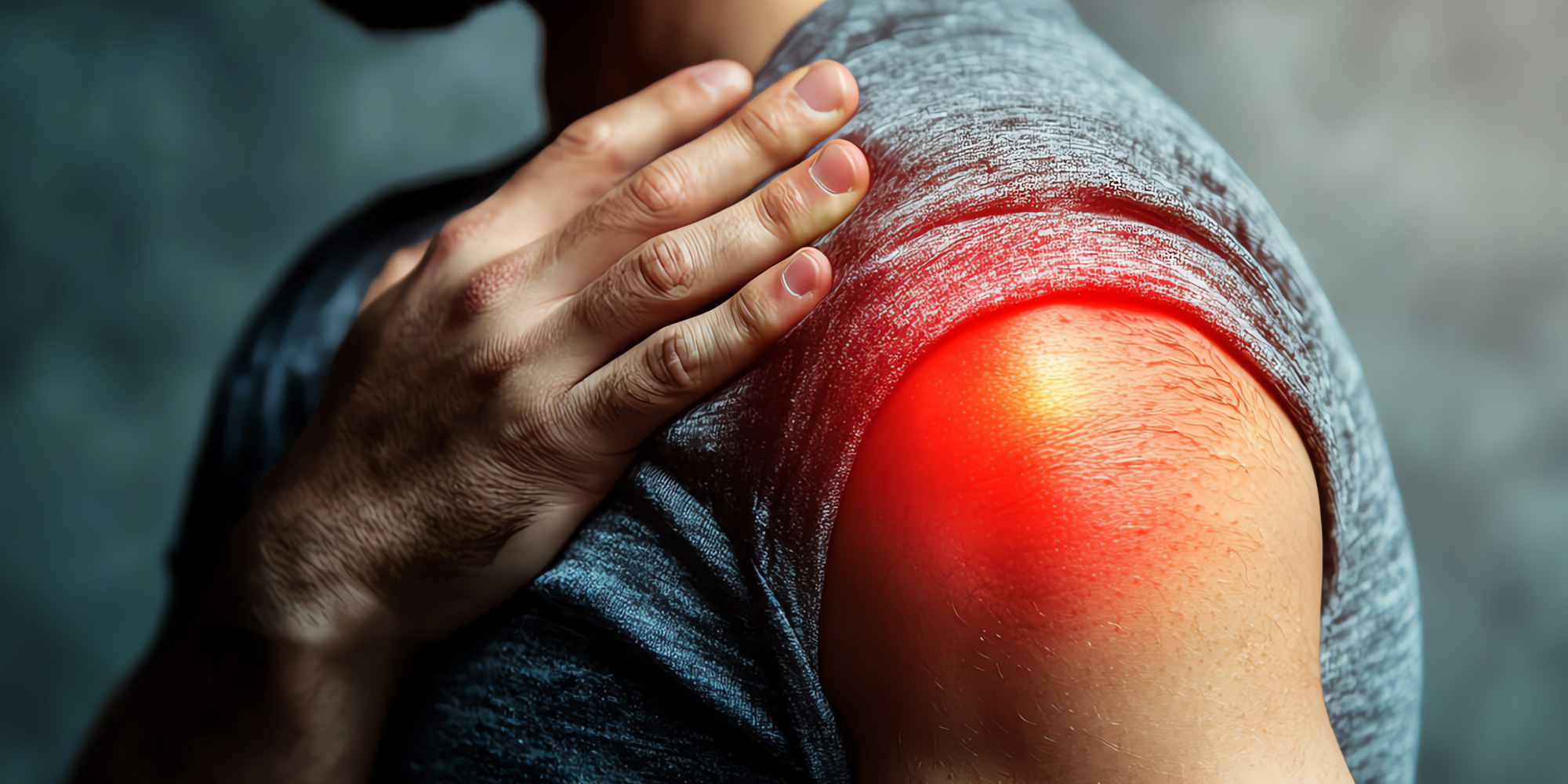
A shoulder injury doesn’t just hurt — it quietly takes over everything: reaching for a shelf, throwing a ball, sleeping on your side, lifting your kid. Dr. Abhishek Saxena treats the full range of shoulder conditions, from sports-related dislocations in young athletes to rotator cuff tears in active adults, using arthroscopic and minimally invasive techniques wherever clinically appropriate — so recovery is measured in weeks of rehab, not months of open-surgery downtime.
Shoulder Conditions We Treat
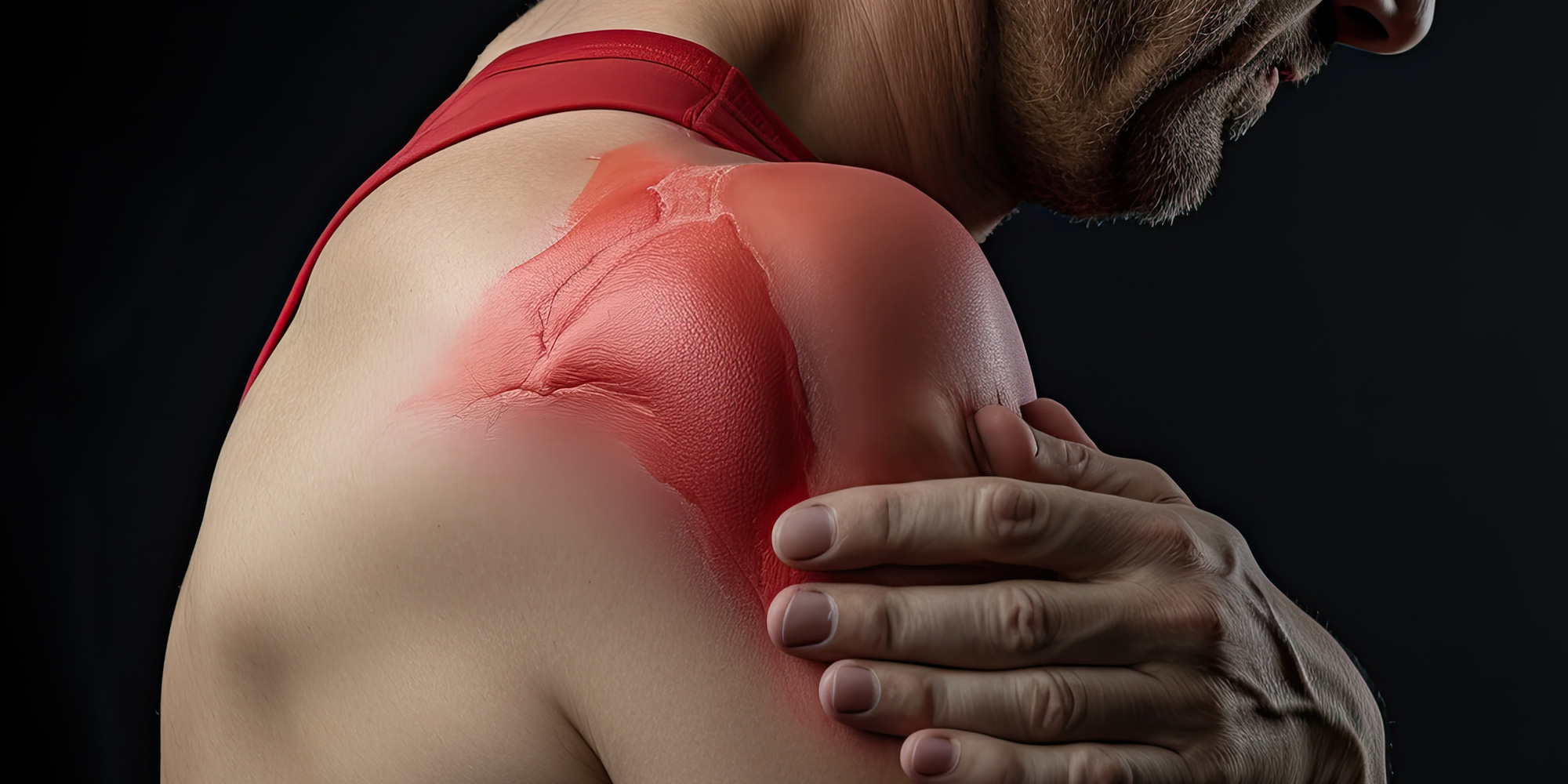
Rotator Cuff Tear
Pain when lifting your arm, weakness, or trouble sleeping on the affected side are common signs of a rotator cuff tear. Treatment ranges from physiotherapy and injections for partial tears to arthroscopic repair for full-thickness tears — restoring strength and range of motion.
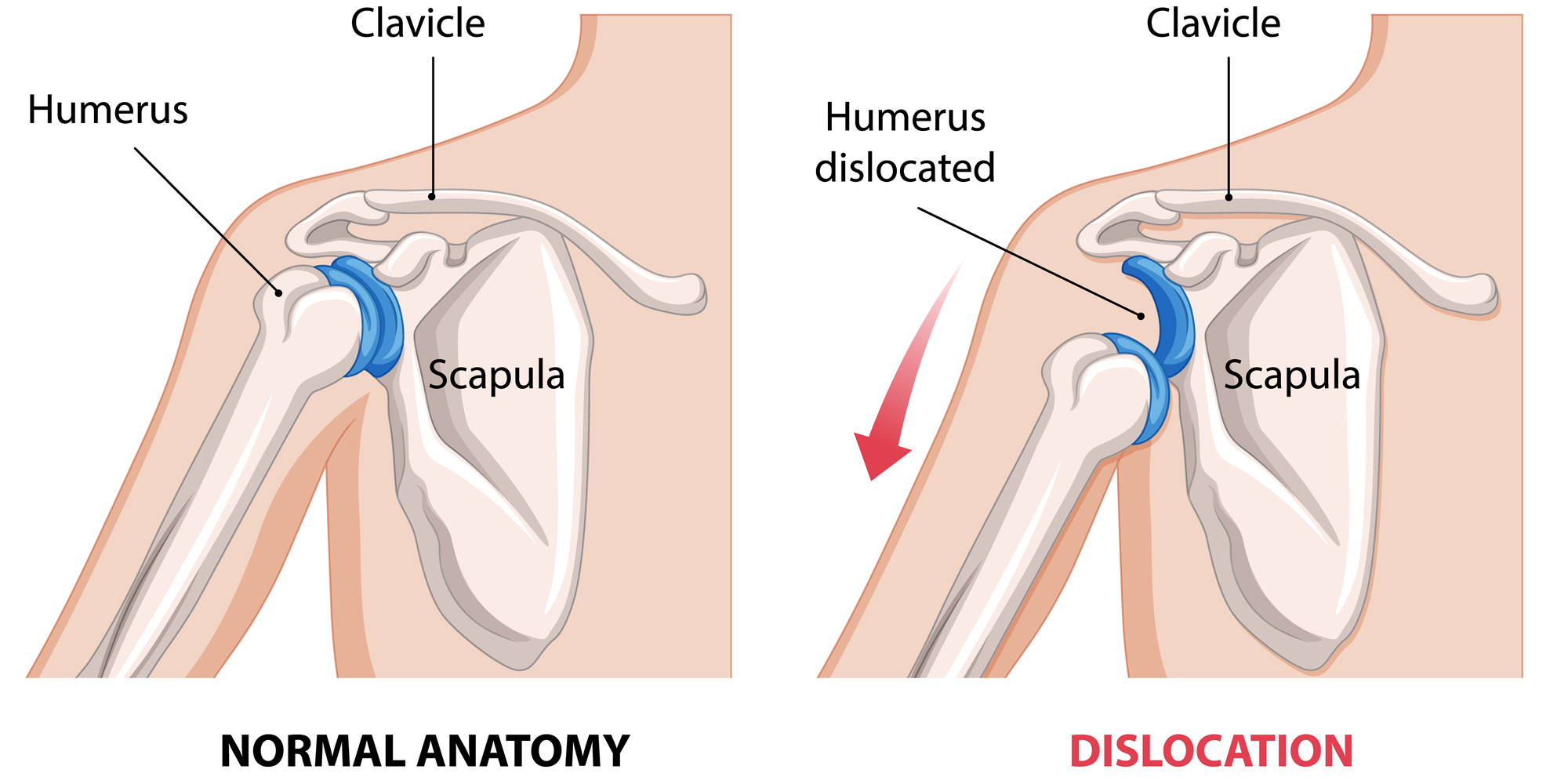
Recurrent Shoulder Dislocation
A shoulder that “pops out” once is at high risk of dislocating again — especially in younger, active patients. Recurrent instability is treated with arthroscopic stabilization to rebuild the shoulder’s natural support and prevent repeat injury.
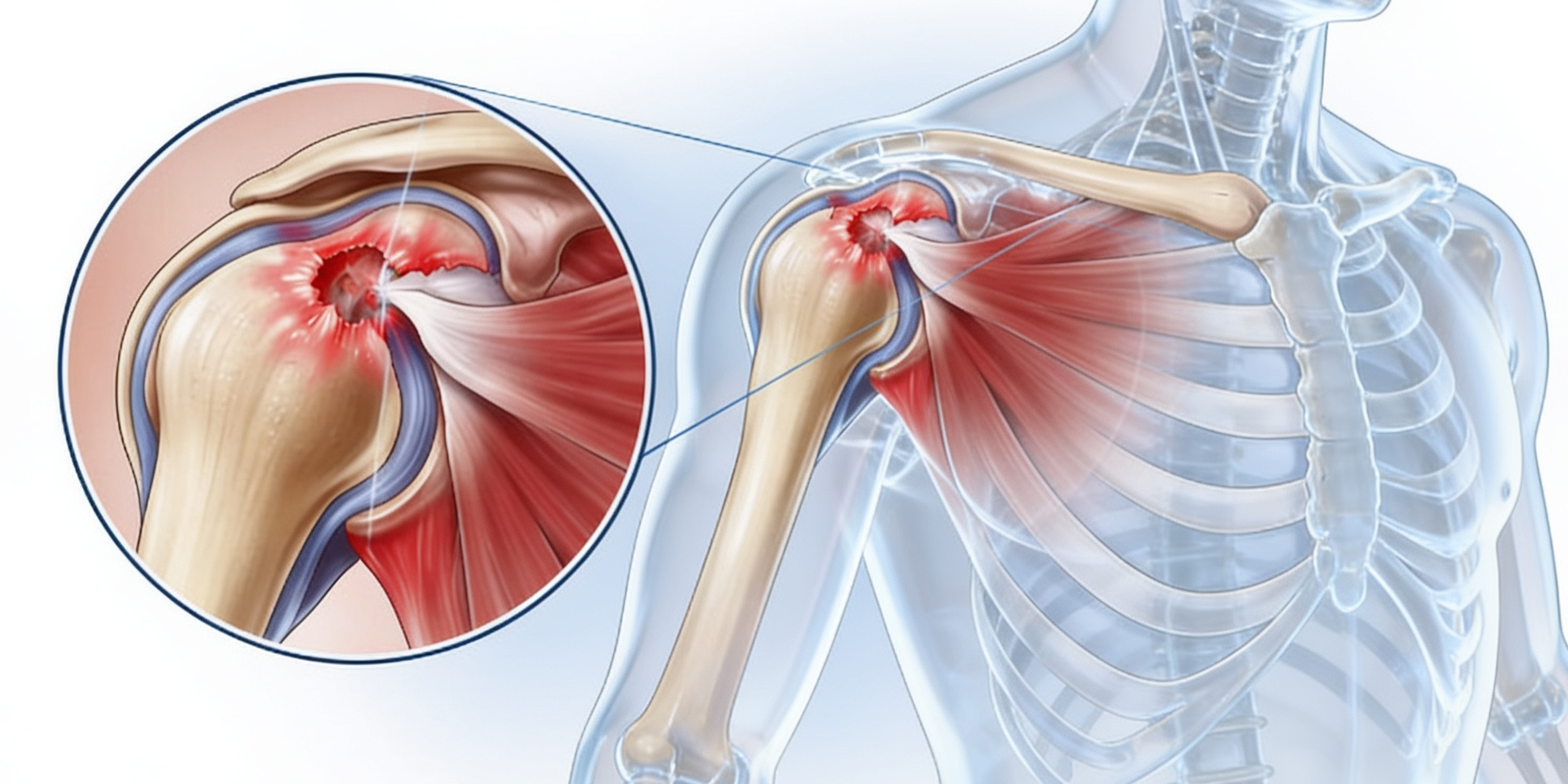
SLAP Tears
A tear in the labrum where the biceps tendon attaches — common in throwing athletes and after falls onto an outstretched arm — causing deep shoulder pain, catching, or instability. Diagnosis combines clinical exam with MRI; treatment ranges from rehab to arthroscopic repair.
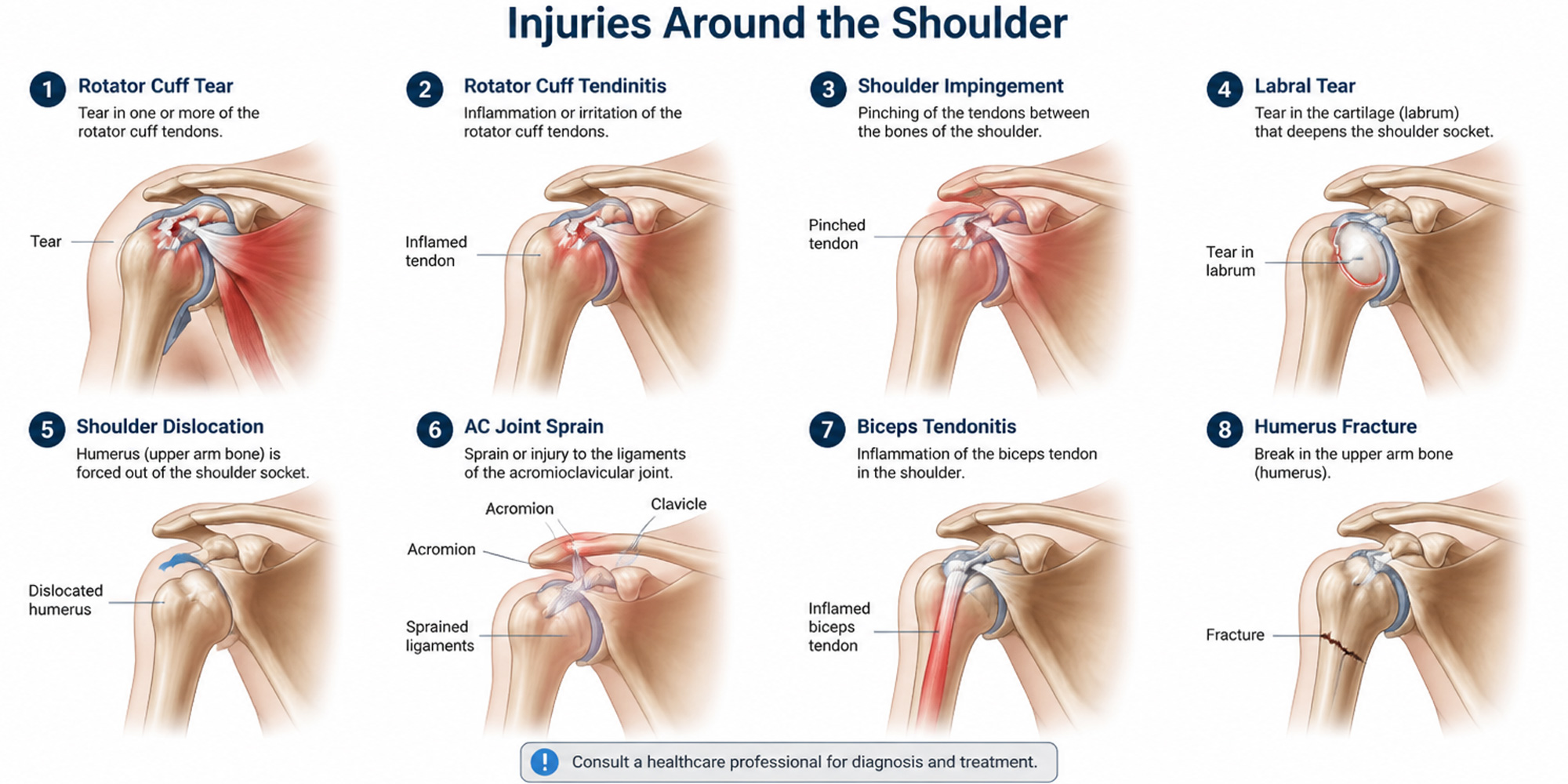
Injuries Around the Shoulder
Frozen shoulder, fractures, and other conditions affecting the joint, collarbone, or surrounding structures — each requiring a distinct diagnostic and treatment approach, from physiotherapy-led recovery to surgical fixation.
How shoulder injuries are diagnosed and treated
01
Diagnosis
History, clinical exam, and — where needed — X-ray or MRI to confirm exactly which structures are involved before any treatment is recommended.
02
Treatment options
Not every shoulder injury needs surgery. Many respond well to physiotherapy, activity modification, or guided injections. When surgery is the right call, Dr. Saxena uses arthroscopic (keyhole) techniques at Shalby Multi-Specialty Hospital, Vaishali Nagar.
03
Recovery
Every patient — surgical or not — receives a structured rehabilitation plan with milestones tracked against your actual goals, whether that’s returning to sport or reaching overhead without pain.
Why Patients Trust Dr. Abhishek Saxena With Their Shoulder
Fellowship-trained in arthroscopy & sports medicine — focused specifically on the techniques most relevant to shoulder instability, rotator cuff repair, and sports injuries
Minimally invasive first — smaller incisions, less post-operative pain, faster return to daily life or sport
Personalized recovery plans — a competitive thrower and a 55-year-old with a frozen shoulder get different plans, even with overlapping diagnoses
Hospital-backed surgical care — procedures performed at Shalby Multi-Specialty Hospital with full surgical infrastructure
FAQ
How do I know if my shoulder pain is a rotator cuff tear or something else?
Rotator cuff tears typically cause pain when lifting the arm overhead or reaching behind your back, along with weakness and night pain. However, frozen shoulder, impingement, and labral tears can feel similar — a clinical exam, and often an MRI, is needed to tell them apart accurately.
Can a dislocated shoulder heal without surgery?
A first-time dislocation in an older or less active patient is often managed with bracing and physiotherapy. But in younger, active patients or athletes, the shoulder is more likely to dislocate again — and recurrent instability usually requires arthroscopic stabilization to prevent ongoing damage to the joint.
How long does shoulder arthroscopy recovery take?
Most patients regain basic daily function within 2–4 weeks, with full strength and range of motion typically returning over 3–6 months depending on the procedure and rehab progress. Return-to-sport timelines are set individually based on the specific repair performed.
Is shoulder surgery always necessary for a SLAP tear?
No — many SLAP tears, especially partial ones, respond well to physiotherapy focused on strengthening and stability. Surgery is considered when conservative treatment fails or the tear is significant enough to cause ongoing instability.
Don’t Let Shoulder Pain Wait
The longer a shoulder injury goes untreated, the more it can affect strength, stability, and daily function. Get an accurate diagnosis and a clear treatment plan from Dr. Abhishek Saxena.