
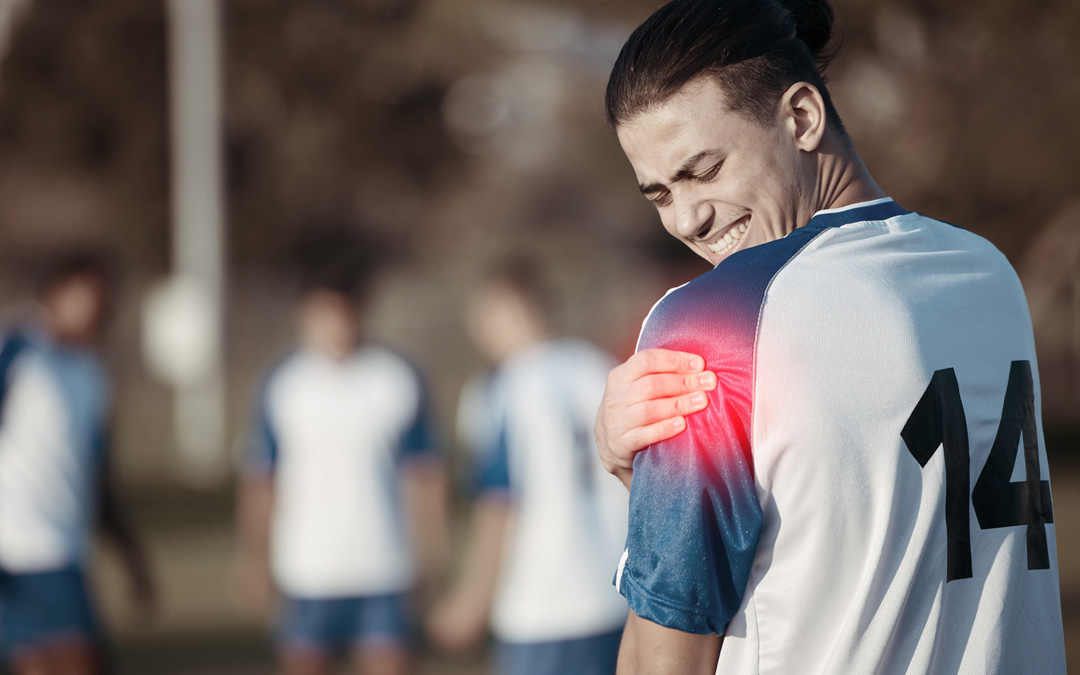
Shoulder Pain in Athletes: Causes, Prevention & Treatment
Shoulder pain is one of the most common injuries experienced by athletes, especially in sports that involve repetitive overhead movements, heavy lifting, or frequent physical contact. From mild muscle strains to serious ligament and tendon tears, shoulder injuries can significantly affect performance and limit mobility. Understanding the causes of shoulder pain is the first step toward effective treatment and long-term prevention.
Preventing Shoulder Injuries in Sports
Taking preventive measures can greatly reduce the risk of shoulder injuries and help athletes perform at their best. A well-rounded training routine that focuses on strength, flexibility, and proper technique plays a vital role in maintaining shoulder health.
- Strengthen the shoulder and surrounding muscles to improve stability and joint support.
- Use proper sports techniques and body mechanics to minimize unnecessary stress on the shoulder.
- Warm up thoroughly before training or competition and include stretching exercises to improve flexibility.
- Avoid overtraining by allowing adequate rest and recovery between intense activities.
Common Shoulder Injuries in Athletes
Athletes are particularly prone to injuries such as rotator cuff tears, shoulder impingement, labral tears, and shoulder dislocations. These conditions often result from repetitive movements, poor technique, excessive strain, or sudden impacts during sports. An accurate diagnosis by a qualified healthcare professional is essential to identify the injury and create a personalized treatment plan.
Effective Treatment & Recovery
Treatment for shoulder injuries depends on the severity and type of injury. Most cases can be managed with rest, activity modification, physical therapy, and targeted rehabilitation exercises. More severe injuries may require surgical treatment followed by a structured recovery program.
Early diagnosis and timely intervention are crucial for restoring shoulder strength, mobility, and function. Athletes should also continue with strengthening and conditioning exercises after recovery to improve shoulder stability, enhance performance, and reduce the risk of future injuries.