
Knee Arthroscopy
Our Expertise
Shoulder Injuries
Recurrent Shoulder dislocation
Rotator Cuff Tear
Injuries around Shoulder
Slap Tears
Knee Injuries
ACL Injury
PCL Injury
Meniscus Injury
MPFL/MCL/LCL Injury
Cartilage Injury
Sport Injuries
ATFL Tear
Tennis Elbow
Golfer Elbow
Hip Labrel Tear
Treatment and Procedures
Shoulder Arthroscopy
Shoulder Replacement
Knee Arthroscopy
Knee Replacement
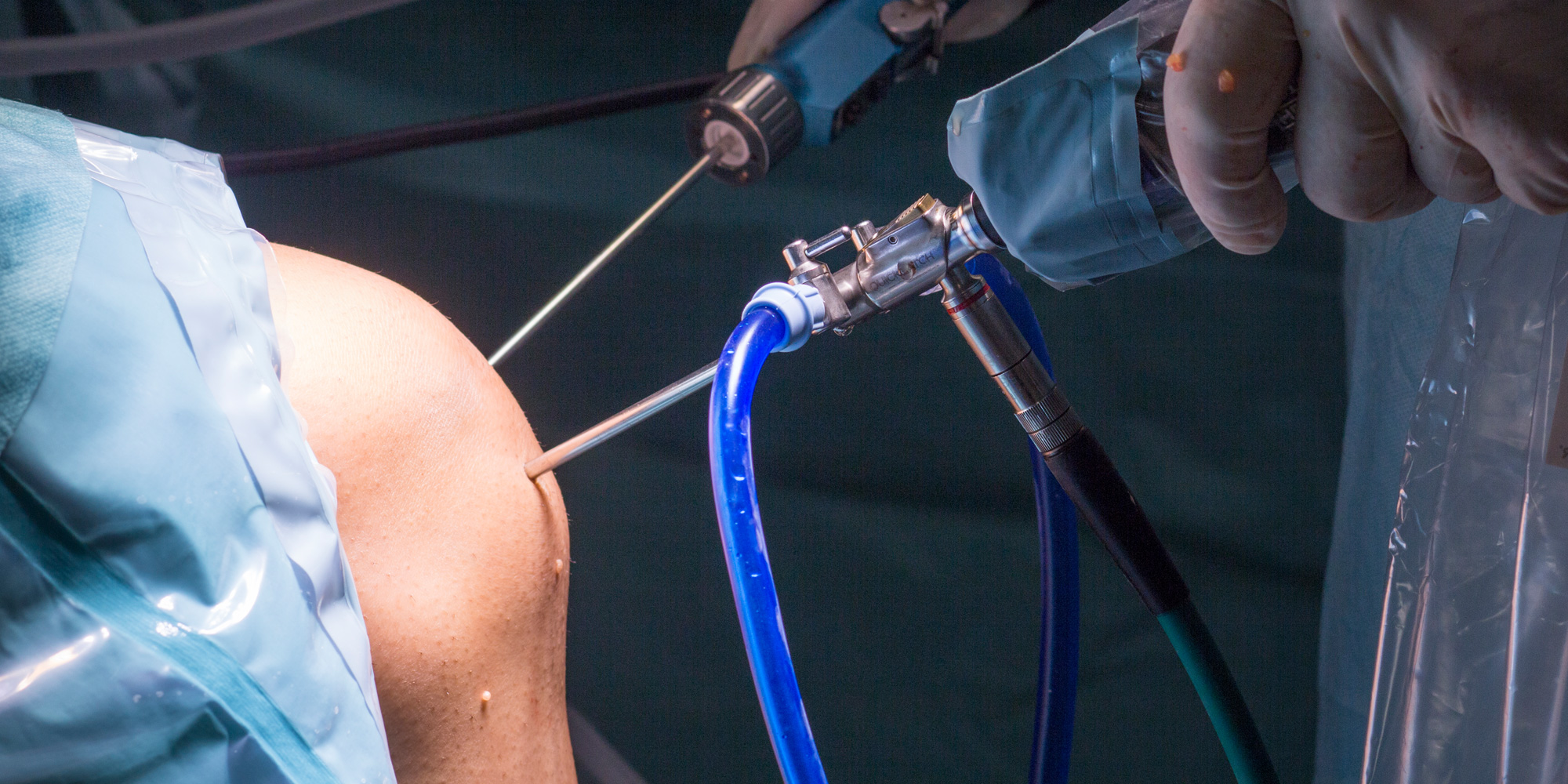
Knee arthroscopy is a minimally invasive surgical procedure that lets Dr. Abhishek Saxena examine, diagnose, and treat conditions inside the knee joint through two or three small incisions — typically less than a centimetre each — rather than a single large open cut. A thin camera (arthroscope) transmits real-time images of the joint’s internal structures onto a monitor, giving a clear, magnified view of the cartilage, ligaments, menisci, and joint lining that no external examination or scan alone can provide. Most knee arthroscopy procedures are performed as day surgeries, meaning patients go home the same day — and because the incisions are small and surrounding tissue is minimally disturbed, recovery is significantly faster than traditional open knee surgery.
What Conditions Are Treated with Knee Arthroscopy?
Knee arthroscopy is both a diagnostic and a treatment tool. It is used to confirm diagnoses that imaging hasn’t fully clarified and to carry out a wide range of surgical repairs in the same procedure. Conditions commonly treated include:
ACL reconstruction — the torn anterior cruciate ligament is replaced with a graft (typically taken from the patient’s own hamstring or patellar tendon) and fixed in the correct anatomical position through arthroscopic technique
Meniscus repair or trimming — a torn meniscus can be sutured back together where the tissue is healthy enough to heal, or the damaged portion trimmed away (meniscectomy) where repair isn’t viable
PCL reconstruction — the posterior cruciate ligament is reconstructed in cases of significant instability following a tear
Cartilage treatment — damaged articular cartilage is addressed through microfracture, cartilage debridement, or more advanced procedures depending on the size and location of the defect
Removal of loose bodies — fragments of bone or cartilage floating inside the joint cause locking and pain; arthroscopy locates and removes them precisely
Synovitis treatment — an inflamed or thickened joint lining (synovium) can be removed arthroscopically to relieve chronic swelling and pain
MPFL reconstruction — stabilisation of a kneecap that dislocates repeatedly, restoring the medial patellofemoral ligament through keyhole technique
How Knee Arthroscopy Is Performed
On the day of the procedure, the patient is positioned with the knee accessible and anaesthesia administered — typically regional or general. Dr. Saxena makes two to three small incisions around the knee and inserts the arthroscope through one portal while surgical instruments are introduced through the others. Sterile fluid is used to expand the joint space and improve visibility. Working from the live arthroscopic image on the monitor, Dr. Saxena identifies the damage and carries out the repair — whether that’s securing a ligament graft, suturing a meniscus, or smoothing damaged cartilage. The incisions are closed with a small stitch or steri-strip and dressed. The whole procedure typically takes between 45 minutes and 2 hours depending on what’s being repaired.
What to Expect — Before, During, and After
Before Surgery
A pre-operative assessment confirms you’re fit for the procedure. You’ll be advised to fast for several hours beforehand and to arrange transport home, since you won’t be able to drive on the day. Existing medications, particularly blood thinners, are reviewed in advance.
The Day of Surgery
Knee arthroscopy is typically a day procedure — you arrive, the surgery is performed, you recover from anaesthesia for a few hours in a monitored area, and you go home the same day. The knee will be wrapped in a compression dressing and you’ll leave with clear written instructions on wound care, medications, and what to watch for.
After Surgery
Some swelling and discomfort in the first few days is normal and managed with elevation, ice, and prescribed pain medication. Most patients are walking (with support if needed) within 24 to 48 hours. Physiotherapy begins early — the exact timeline depends on the procedure performed.
Recovery and Rehabilitation
Recovery after knee arthroscopy varies by procedure. A diagnostic arthroscopy or minor debridement allows return to daily activities within a week or two. Meniscus repair and ligament reconstruction require longer, structured rehabilitation — typically 3 to 6 months before return to full sport, with milestones tracked against your specific activity goals rather than a fixed calendar. Dr. Saxena’s rehabilitation plan begins as soon as it’s clinically appropriate, since early, guided movement consistently leads to better outcomes than prolonged rest.
FAQ
Is knee arthroscopy painful?
During the procedure, anaesthesia ensures there’s no pain. Afterwards, most patients describe manageable soreness rather than severe pain — significantly less than open surgery — which responds well to standard pain relief and settles within a few days.
Will I need a hospital stay?
Most knee arthroscopy procedures are performed as day surgeries. You go home the same day once you’ve recovered from anaesthesia and the clinical team is satisfied with your condition.
How soon can I drive after knee arthroscopy?
This depends on which knee was operated on and the procedure performed, but most patients are cleared to drive within 1 to 2 weeks. Dr. Saxena’s team will confirm this at your post-operative review.
Are the results permanent?
A well-performed ACL reconstruction or meniscus repair, followed by proper rehabilitation, provides durable long-term stability for the majority of patients. Outcomes depend on the specific injury, the quality of the repair, and how well the rehab programme is followed.
Ready to Take the Next Step?
If you’ve been told you need knee surgery — or want to understand whether arthroscopy is the right option for your knee — book a consultation with Dr. Abhishek Saxena for a clear diagnosis and honest treatment options.