Sports Injuries
Our Expertise
Shoulder Injuries
Recurrent Shoulder dislocation
Rotator Cuff Tear
Injuries around Shoulder
Slap Tears
Knee Injuries
ACL Injury
PCL Injury
Meniscus Injury
MPFL/MCL/LCL Injury
Cartilage Injury
Sport Injuries
ATFL Tear
Tennis Elbow
Golfer Elbow
Hip Labrel Tear
Treatment and Procedures
Shoulder Arthroscopy
Shoulder Replacement
Knee Arthroscopy
Knee Replacement
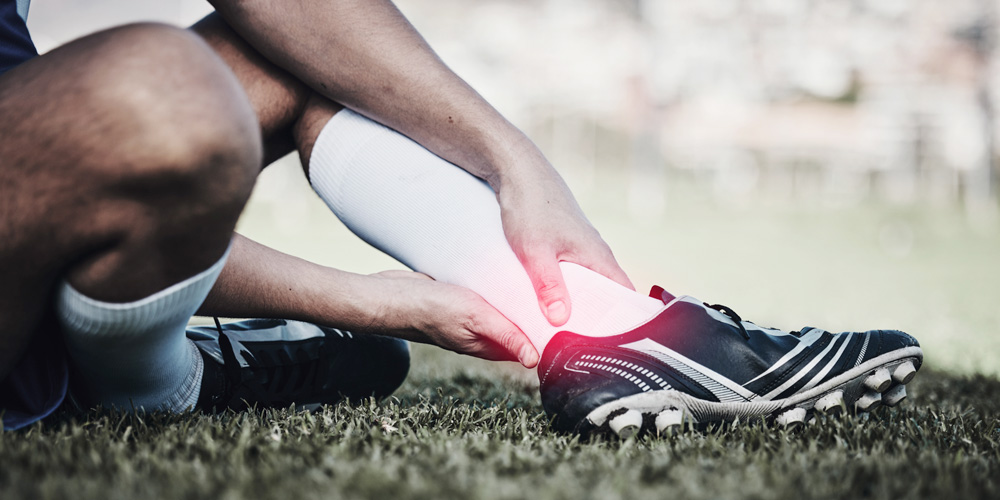
Sport asks a lot of the body — sudden sprints, sharp pivots, repetitive swings, and the kind of impact that no amount of caution can fully prevent. When an injury interrupts that rhythm, it’s rarely just physical. It’s the missed match, the paused training block, the routine that suddenly doesn’t include the sport you love.
At Jaipur Sports Doc, Dr. Abhishek Saxena treats sports injuries with one goal in mind: not just resolving pain, but restoring the exact level of function an athlete needs to compete, train, and move with confidence again. While knee and shoulder injuries are the most talked-about in sports medicine, a huge number of athletes are sidelined by injuries around the hip, ankle, elbow, and wrist — joints that take on enormous, repetitive stress and are just as deserving of specialist attention.
Common Sports Injuries We Treat
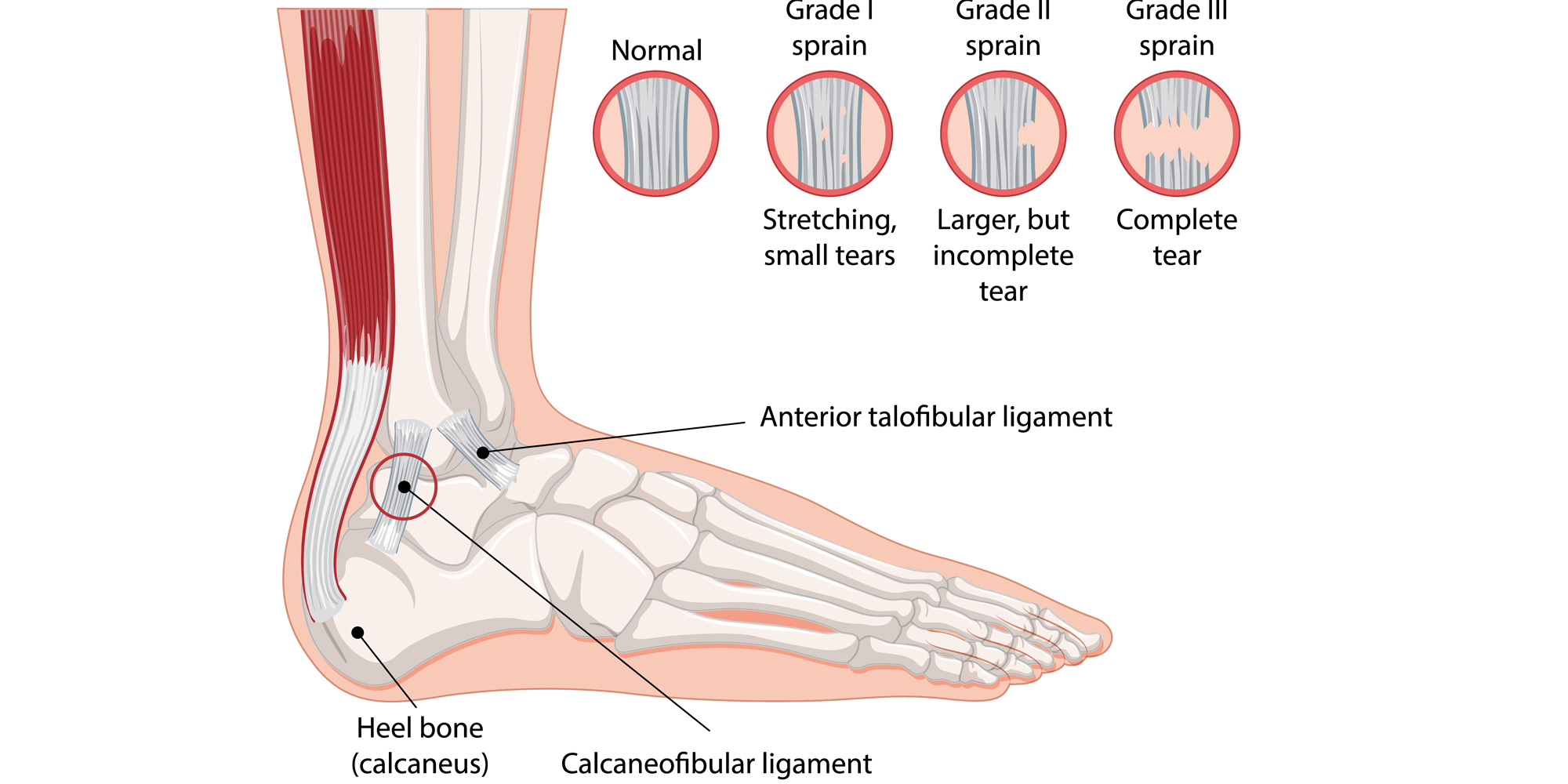
ATFL Tear (Ankle Ligament Sprain)
The ATFL is the ligament most commonly injured in a rolled ankle. While many sprains heal with rehabilitation, repeated sprains or complete tears can cause chronic instability and may require bracing, targeted strengthening, or surgery.
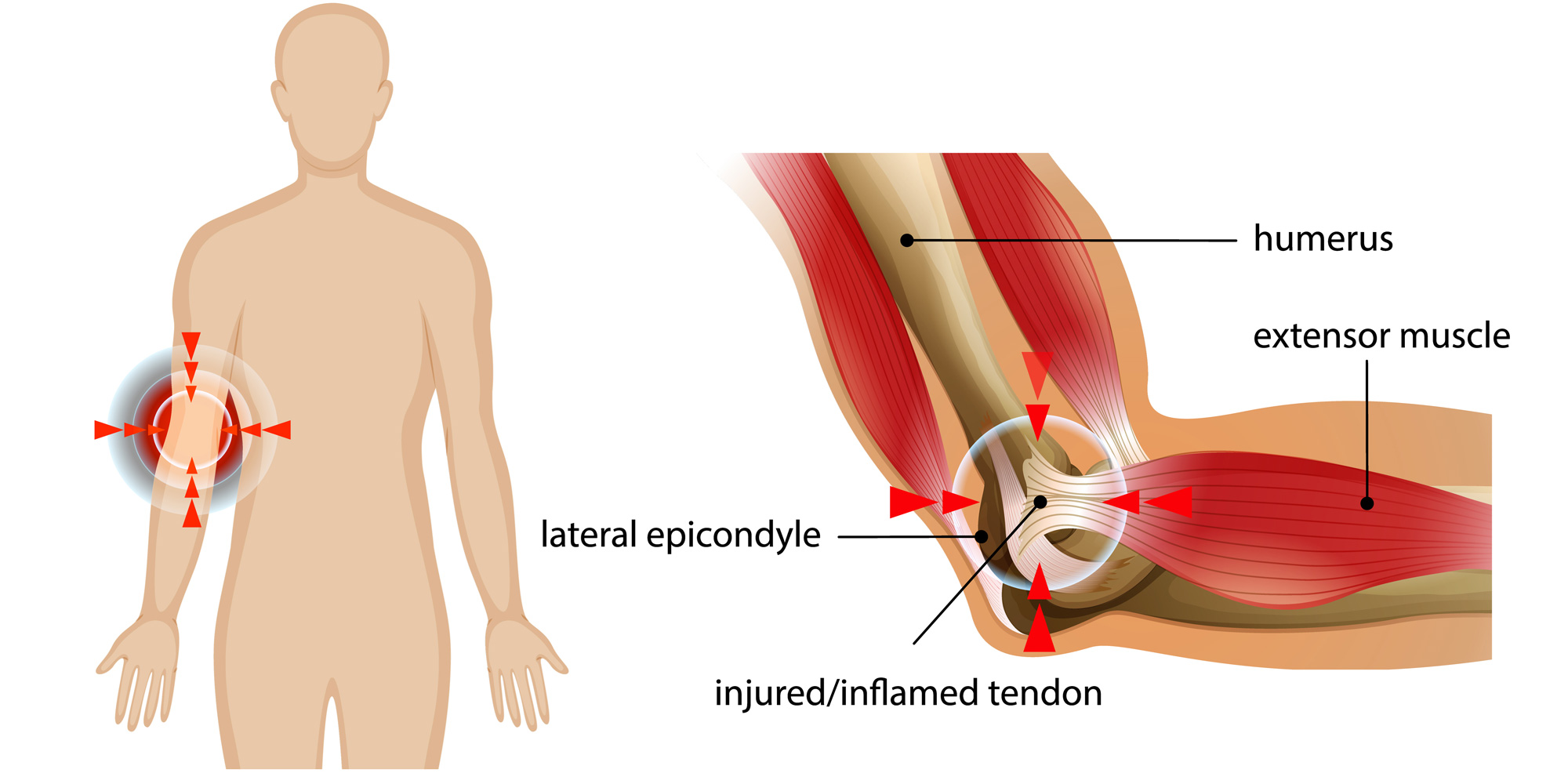
Tennis Elbow (Lateral Epicondylitis)
Tennis elbow is an overuse tendon injury common in athletes and people with repetitive gripping or wrist movements. It causes outer elbow pain that worsens with lifting or gripping, and can become chronic without proper treatment.
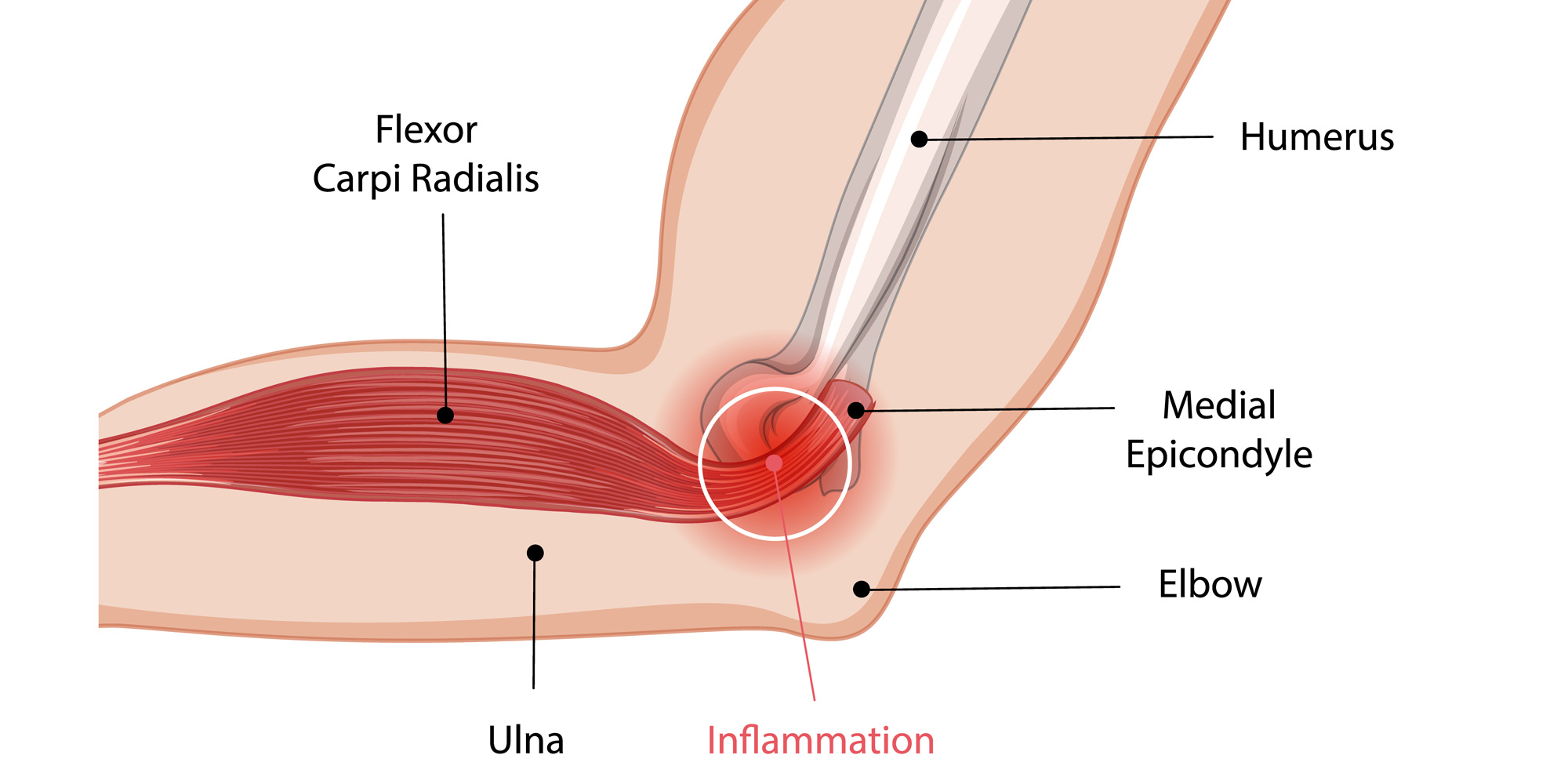
Golfer’s Elbow (Medial Epicondylitis)
Golfer’s elbow is an overuse tendon injury affecting the inner elbow, common in golfers, throwers, and weightlifters. It causes pain with gripping or forearm rotation and can be mistaken for a nerve problem.
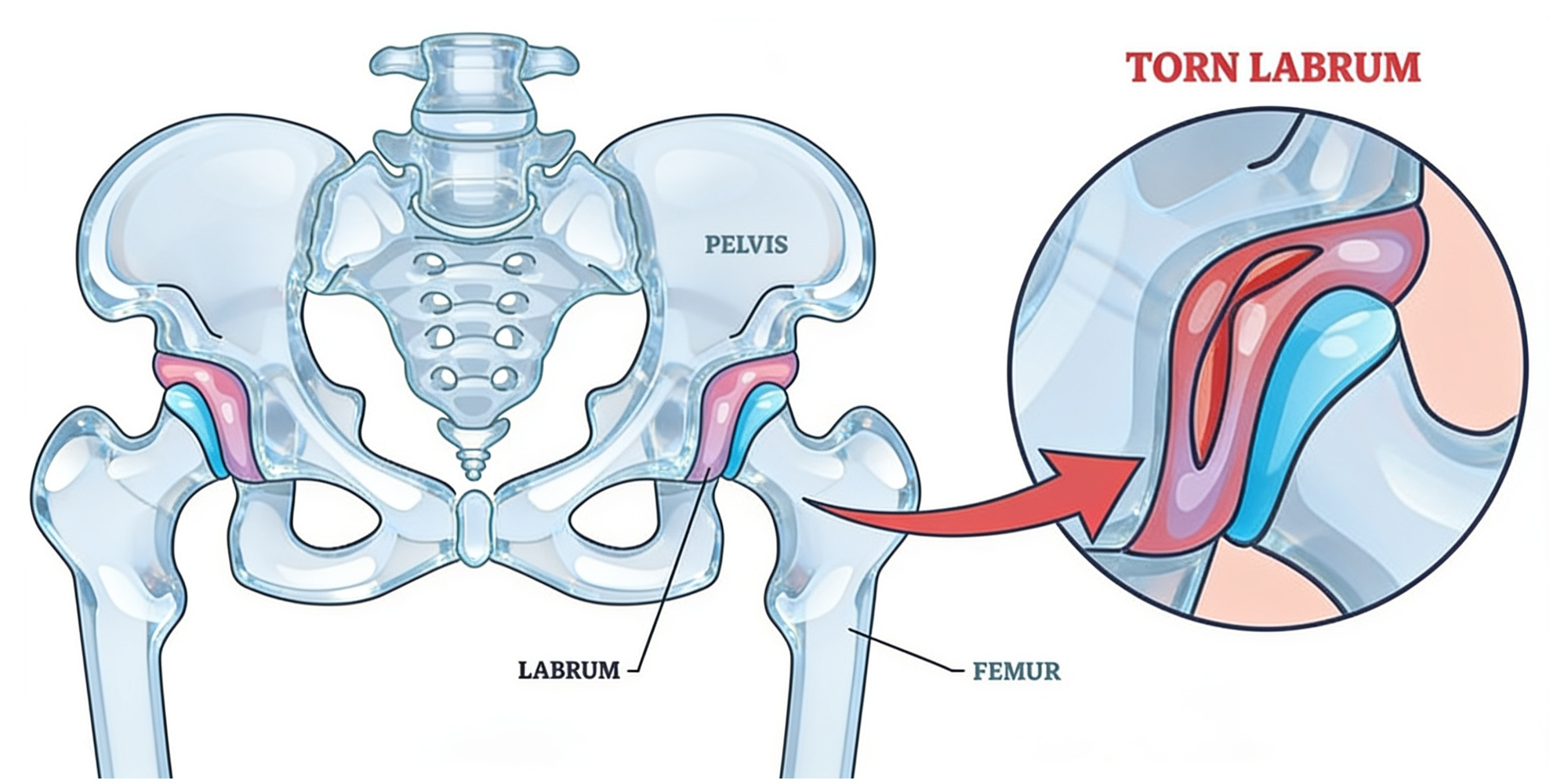
Hip Labral Tear
A hip labral tear is a cartilage injury that causes deep groin pain, clicking, or catching, especially in sports involving twisting and pivoting. Because symptoms mimic other hip conditions, diagnosis is often delayed.
Why Sports Injuries Need Sport-Specific Care
A sports injury isn’t just a medical problem — it’s a performance problem. An ankle sprain in a weekend jogger and the same sprain in a competitive footballer may look identical on a scan, but they call for very different rehabilitation timelines, return-to-play criteria, and risk tolerance. Generic orthopaedic care can resolve the pain but miss the mark on what an athlete actually needs: the strength, stability, and confidence to return to their sport without a heightened risk of re-injury.
This is where a dedicated sports orthopaedic approach makes the difference — treatment planned not just around healing tissue, but around getting you back to your specific sport, position, or activity level, safely and completely.
Our Approach to Diagnosis
Every sports injury evaluation at Jaipur Sports Doc starts with a detailed history — how the injury happened, what movements aggravate it, and what your sport or activity demands of the injured area. This is combined with a focused clinical examination and, where necessary, imaging such as X-rays, ultrasound, or MRI to confirm the diagnosis and rule out associated damage. Getting a precise diagnosis matters enormously in sports medicine — a tennis elbow that’s actually a nerve entrapment, or an ankle sprain that’s masking a hidden fracture, requires a completely different treatment path.
Rehabilitation Built Around Your Sport
Every treatment plan includes a progressive rehabilitation program, often developed in coordination with physiotherapists and trainers, designed to rebuild not just strength but sport-specific movement patterns — so the return to play is safe, not just symptom-free.
Conservative Care as the Starting Point
The majority of sports injuries — including most ligament sprains and tendon overuse injuries — respond well to non-surgical treatment when addressed early. Depending on the diagnosis, this may include:
- Structured physiotherapy targeting strength, flexibility, and movement mechanics
- Bracing or taping to protect healing structures during the early recovery phase
- Activity and technique modification to remove the underlying cause of overuse injuries
- Injections, such as PRP, in select cases to support tendon or soft-tissue healing
Surgery When It’s Genuinely Needed
When conservative measures aren’t enough — a persistently unstable ankle, a labral tear causing mechanical symptoms, or chronic tendon degeneration that hasn’t responded to rehabilitation — minimally invasive surgical options are considered. These are recommended only when they will meaningfully improve function and long-term outcomes, never as a default first step.
Why Athletes in Jaipur Choose Dr. Abhishek Saxena
- Focused expertise in sports-related injuries of the hip, ankle, elbow, and wrist — not just the more commonly discussed knee and shoulder
- A multidisciplinary approach, working alongside physiotherapists and athletic trainers for comprehensive recovery
- Individualized treatment plans built around each patient’s specific sport, activity level, and goals
- A track record of helping athletes and active individuals return safely to competition
An Overuse Injury Rarely Fixes Itself Mid-Season
Sports injuries have a habit of getting worse under pressure — pushed through, taped up, and ignored until a minor sprain or a nagging tendon becomes a season-ending problem. The earlier an injury is properly assessed, the more likely it is to be resolved with simple, conservative care instead of a longer, harder recovery later.