
Knee Injuries
Our Expertise
Shoulder Injuries
Recurrent Shoulder dislocation
Rotator Cuff Tear
Injuries around Shoulder
Slap Tears
Knee Injuries
ACL Injury
PCL Injury
Meniscus Injury
MPFL/MCL/LCL Injury
Cartilage Injury
Sport Injuries
ATFL Tear
Tennis Elbow
Golfer Elbow
Hip Labrel Tear
Treatment and Procedures
Shoulder Arthroscopy
Shoulder Replacement
Knee Arthroscopy
Knee Replacement
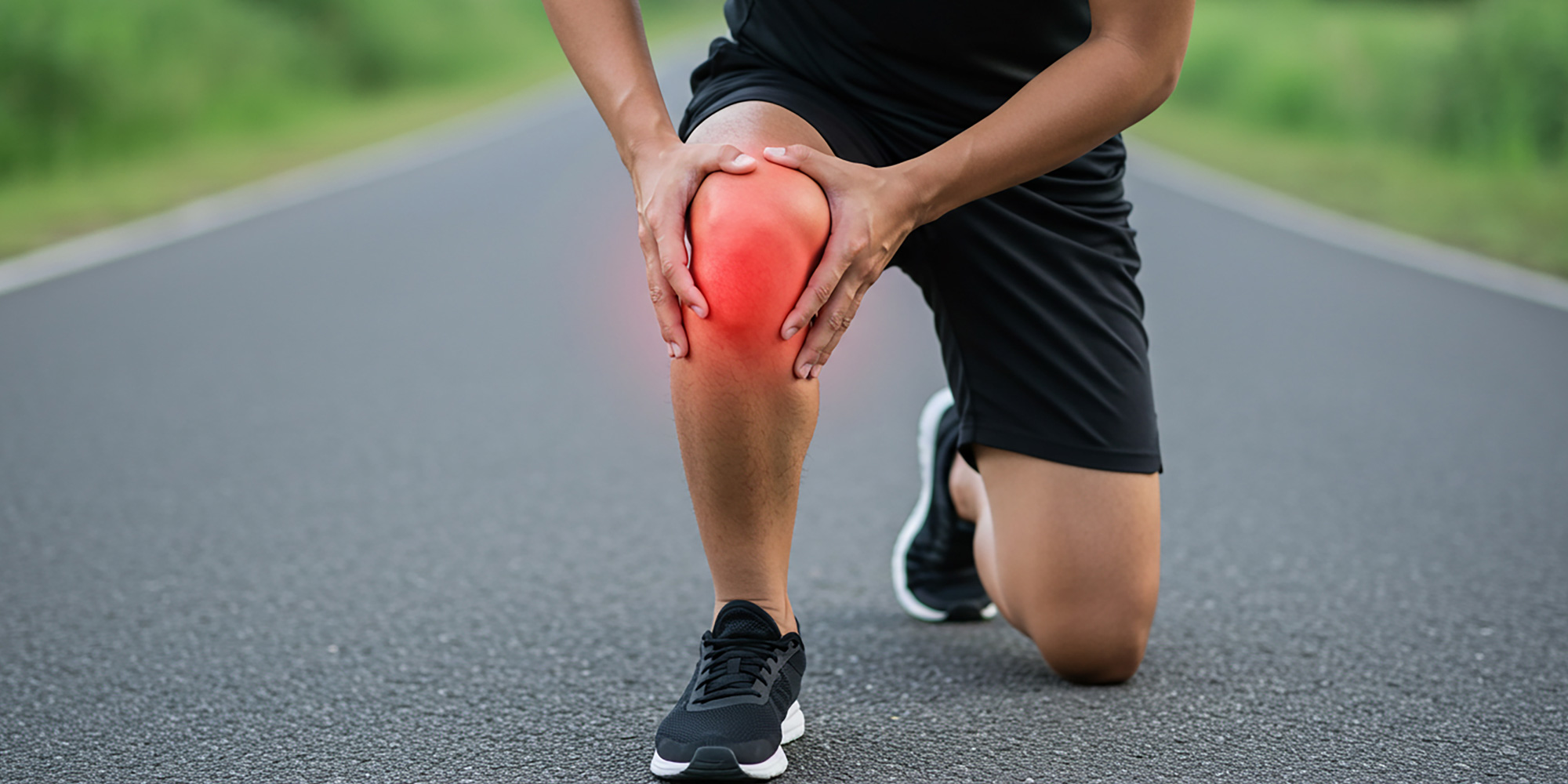
Your knees carry you through every walk, run, squat, and sprint — so when pain, instability, or swelling sets in, everyday life can grind to a halt. At Arthrogenix, Dr. Abhishek Saxena and his team specialize in diagnosing and treating the full spectrum of knee problems, from sports-related ligament tears to age-related joint wear and tear. Whether you’re a weekend athlete, a competitive sportsperson, or simply someone who wants to move without pain again, our knee care program is built around one goal: getting you back on your feet, stronger and more confident than before.
As one of the most trusted names in sports orthopaedics in Jaipur, Dr. Saxena brings together advanced surgical expertise, evidence-based non-surgical options, and a genuinely patient-first approach to every consultation.
Understanding Common Knee Injuries
The knee is a complex joint held together by ligaments, tendons, cartilage, and menisci — and any one of these structures can be injured through trauma, overuse, or degeneration. At our clinic, we regularly treat:
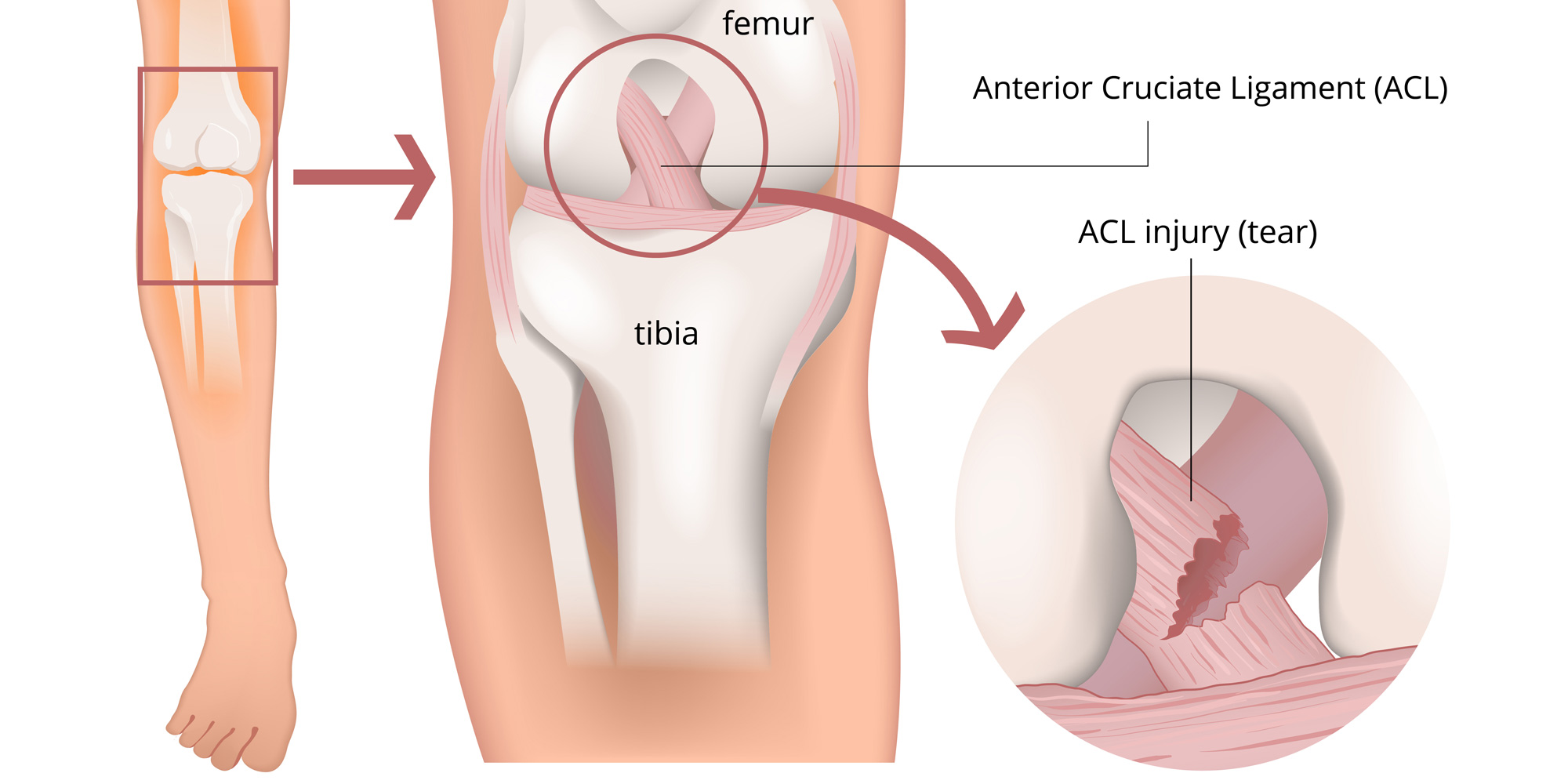
ACL (Anterior Cruciate Ligament) Injury
Often caused by sudden pivoting, jumping, or direction changes during sport, an ACL tear typically causes a distinct “pop,” followed by swelling and a feeling of the knee giving way. Left untreated, it can lead to chronic instability and early arthritis.
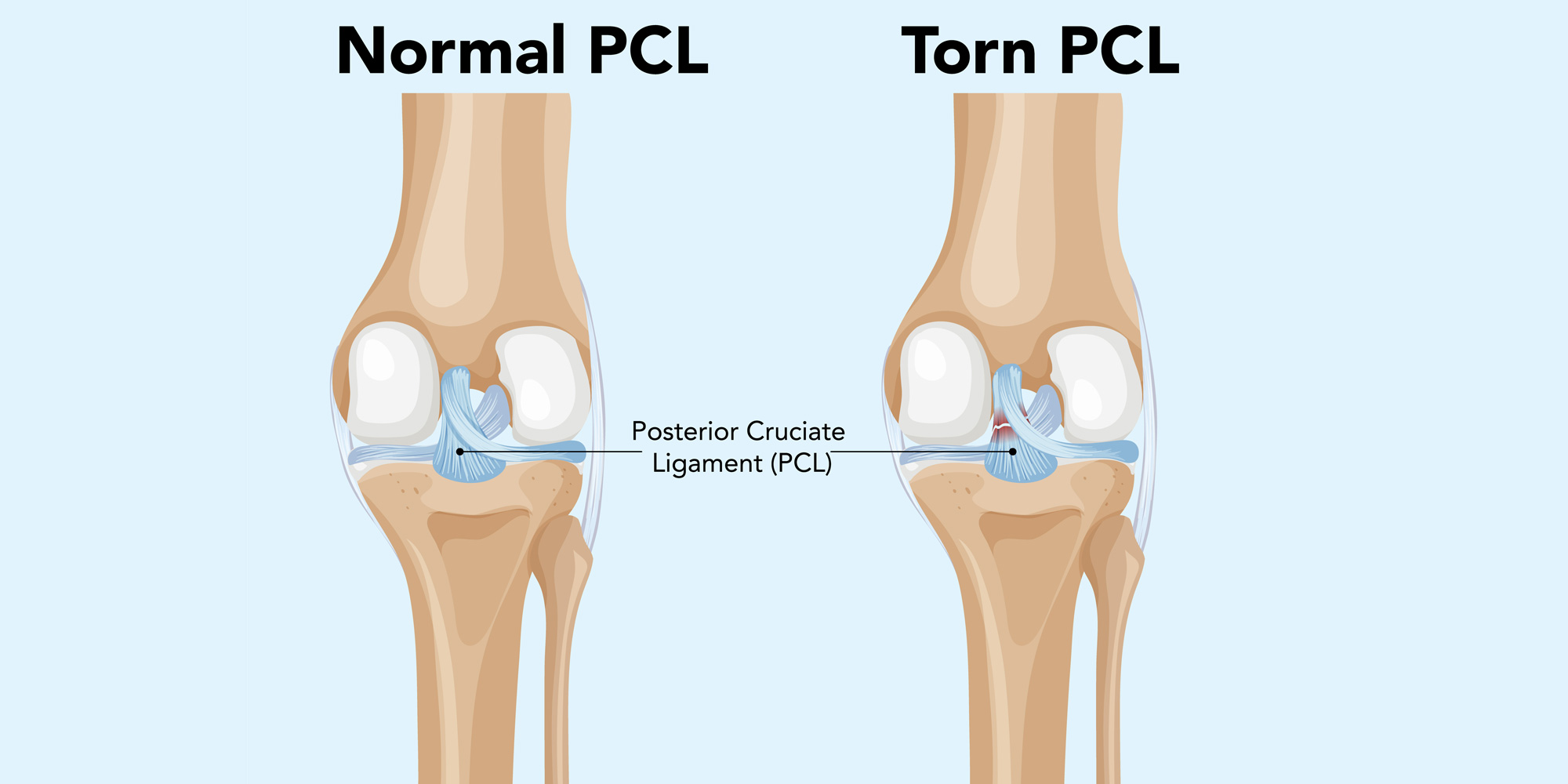
PCL (Posterior Cruciate Ligament) Injury
Usually resulting from a direct blow to the front of the knee (such as in a fall or road accident), PCL injuries can be subtler than ACL tears but still significantly affect knee stability if not properly managed.
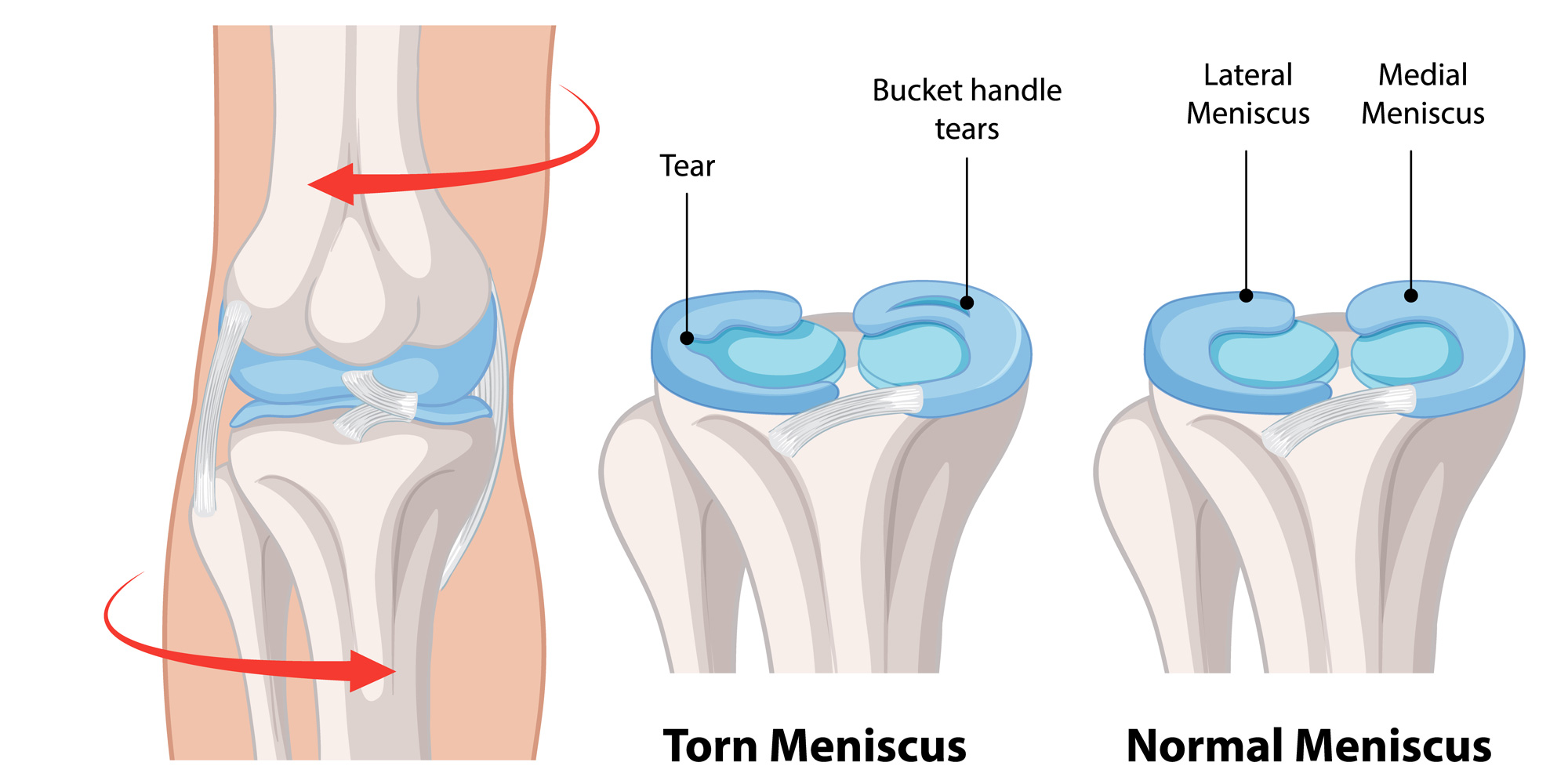
Meniscus Tears
The meniscus acts as a shock absorber between the thigh bone and shin bone. Tears can occur from a sudden twist during sport or gradually through age-related degeneration, leading to pain, locking, or a sensation of the knee catching.
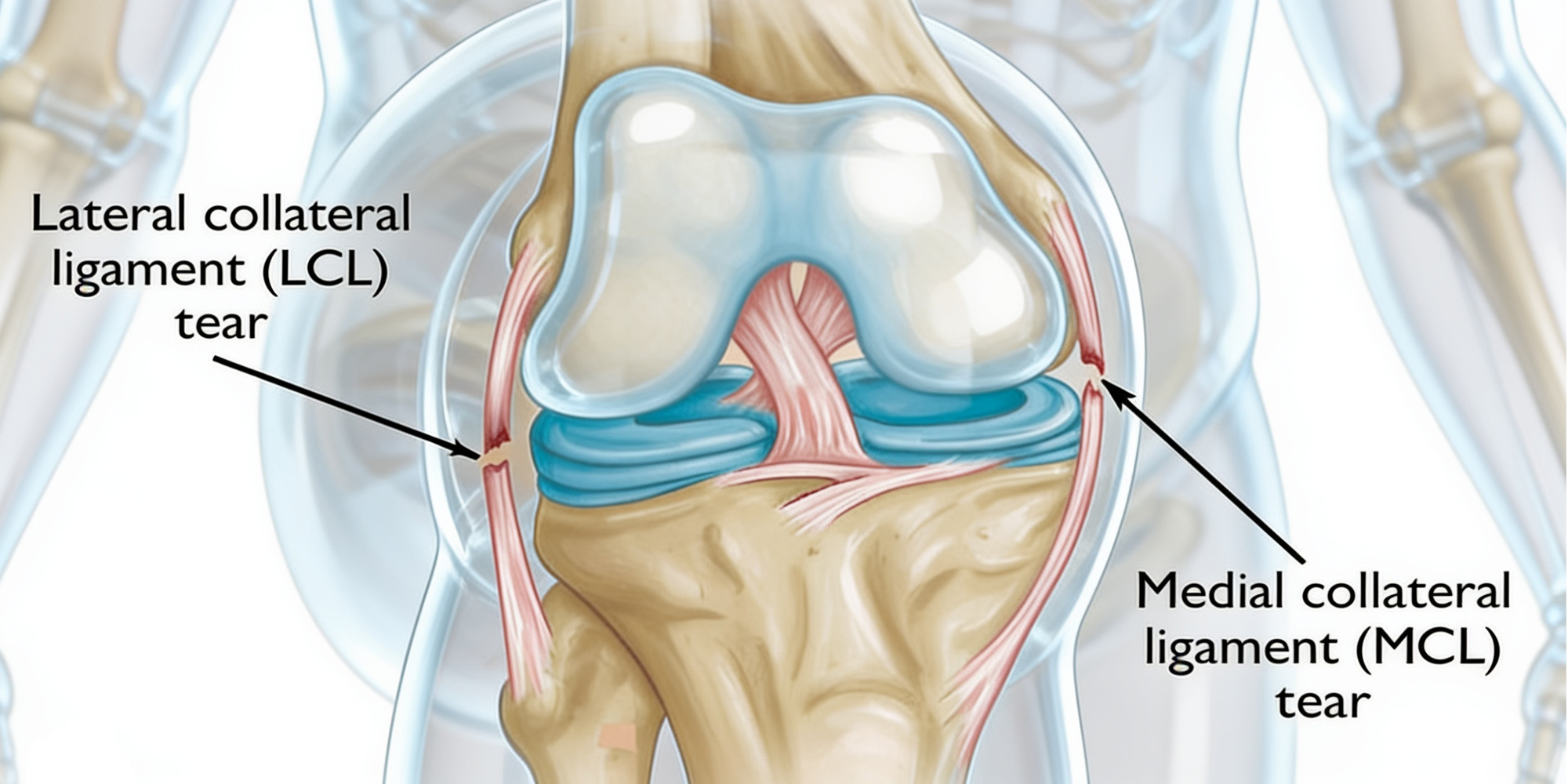
MCL, LCL, and MPFL Injuries
These ligaments stabilize the sides and the kneecap of the joint. Injuries here often result from direct impact or repeated instability episodes, particularly in contact sports.
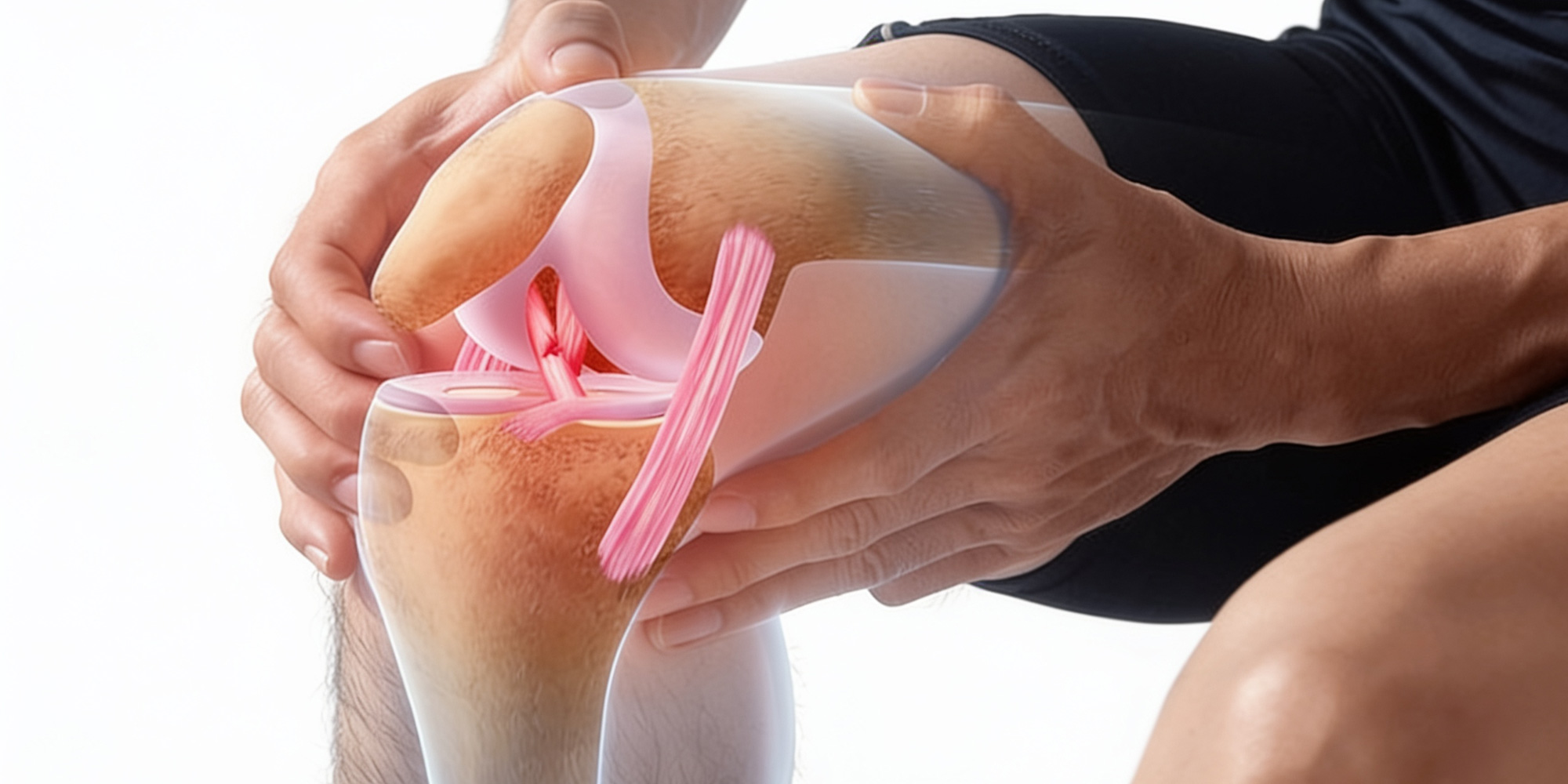
Cartilage (Chondral) Injuries
Damage to the smooth cartilage lining the joint surfaces can cause pain and swelling, and if left unaddressed, may accelerate the onset of osteoarthritis.
Our Approach to Diagnosis
Accurate diagnosis is the foundation of effective knee treatment. We use advanced imaging — including MRI and dynamic ultrasound — combined with a thorough clinical examination to pinpoint exactly which structures are involved and how severely. This allows Dr. Saxena to move beyond guesswork and design a treatment plan that’s genuinely tailored to your injury, your activity level, and your recovery goals, rather than a one-size-fits-all protocol.
Treatment Options: From Conservative Care to Surgery
Not every knee injury needs an operation. Dr. Saxena believes in exhausting appropriate non-surgical options first wherever it’s safe and effective to do so. Depending on your diagnosis, your treatment plan may include:
- Physiotherapy-led rehabilitation to restore strength, flexibility, and proprioception around the joint
- Bracing and activity modification to protect healing structures
- Biologic and regenerative options, such as PRP (platelet-rich plasma) injections, to support tissue healing in select cases
- Arthroscopic (keyhole) surgery for ligament reconstruction, meniscus repair, or cartilage restoration when conservative measures aren’t enough
- Knee replacement surgery for advanced arthritis or severe joint damage, using modern implants and techniques aimed at faster recovery and better long-term function
Why Arthroscopy Matters
Where surgery is necessary, Dr. Saxena favors minimally invasive arthroscopic techniques whenever possible. Using small incisions and a specialized camera, arthroscopic procedures allow precise repair of ligaments, menisci, and cartilage with significantly less trauma to surrounding tissue compared to open surgery. The benefits for patients are meaningful: reduced post-operative pain, lower infection risk, shorter hospital stays, and a quicker return to daily activities and sport.
Rehabilitation: The Often-Overlooked Half of Recovery
Surgery or treatment is only part of the journey — how you rehabilitate afterward often determines your long-term outcome. Our knee care program includes structured, progressive rehabilitation protocols designed to rebuild muscle strength, restore full range of motion, and retrain movement patterns so your knee isn’t just repaired, but genuinely resilient against future injury. For athletes, this includes sport-specific conditioning aimed at a safe, confident return to competition.
Why Patients in Jaipur Choose Dr. Abhishek Saxena
Dr. Saxena has built his reputation on a combination of surgical precision and genuine patient care. Patients consistently highlight his willingness to explain conditions clearly, discuss all available options honestly (including when surgery isn’t the right first step), and stay involved throughout the recovery process — not just at the time of the procedure.
A few reasons patients trust him with their knee health:
- Extensive experience across ligament reconstruction, meniscus repair, cartilage surgery, and knee replacement
- A diagnostic approach that avoids unnecessary interventions and focuses on what’s actually needed
- Access to modern arthroscopic and surgical technology for precise, minimally invasive care
- A rehabilitation-focused philosophy that treats recovery as a partnership, not a one-time procedure
- A track record of helping athletes and active individuals return safely to the sports and activities they love
When to See a Knee Specialist
You don’t need to wait for an injury to become severe before seeking help. Consider a consultation if you’re experiencing:
- Persistent knee pain that doesn’t improve with rest
- Swelling, locking, or a sensation of instability
- Difficulty bearing weight or climbing stairs
- A knee that “gives way” during activity
Pain that limits your participation in sport or daily tasks
Early evaluation often means simpler, more effective treatment — and a faster path back to full function.
Every Day You Wait, a Minor Knee Injury Can Become a Major One
An untreated ligament or meniscus injury can lead to ongoing instability, cartilage damage, and early arthritis. Early diagnosis preserves more treatment options and helps you return to daily life or sport sooner.