
Rotator Cuff Tear Treatment
Our Expertise
Shoulder Injuries
Recurrent Shoulder dislocation
Rotator Cuff Tear
Injuries around Shoulder
Slap Tears
Knee Injuries
ACL Injury
PCL Injury
Meniscus Injury
MPFL/MCL/LCL Injury
Cartilage Injury
Sport Injuries
ATFL Tear
Tennis Elbow
Golfer Elbow
Hip Labrel Tear
Treatment and Procedures
Shoulder Arthroscopy
Shoulder Replacement
Knee Arthroscopy
Knee Replacement
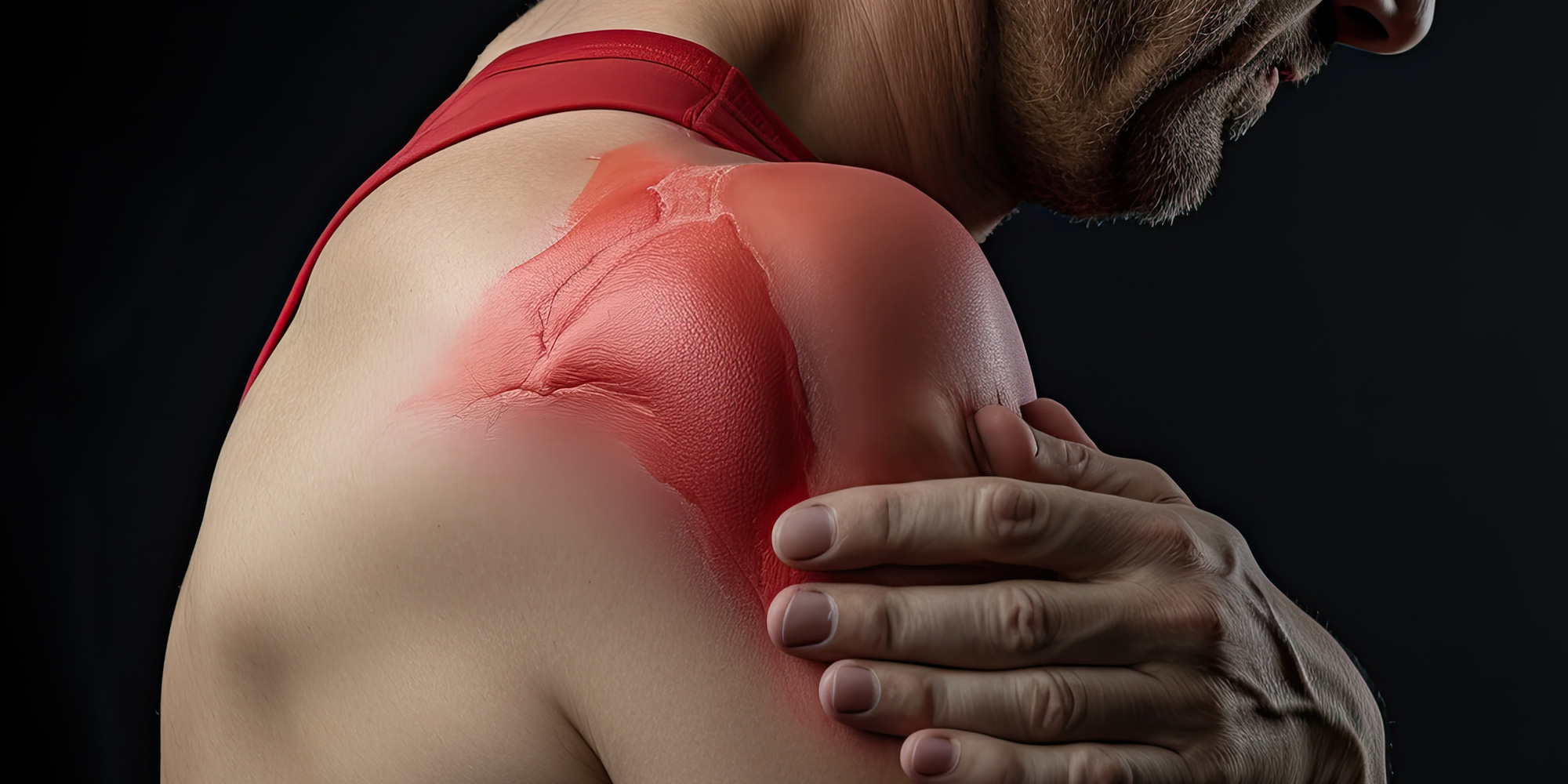
The rotator cuff is a group of four muscles and tendons that wrap around the shoulder joint, holding the arm bone in the socket while allowing the wide range of motion the shoulder is known for. A tear in any of these tendons — whether from a sudden injury or gradual wear — causes pain, weakness, and difficulty with everyday movements like reaching overhead or behind your back. Dr. Abhishek Saxena, fellowship-trained in shoulder arthroscopy and sports medicine, evaluates the specific tendon involved and the extent of the tear to determine whether physiotherapy, injections, or arthroscopic repair is the right path for you.
Understanding Rotator Cuff Tears
The rotator cuff is made up of four tendons — the supraspinatus, infraspinatus, teres minor, and subscapularis — that work together to lift, rotate, and stabilize the shoulder. A tear can be partial-thickness, where the tendon is frayed or torn part-way through but still attached to the bone, or full-thickness, where the tendon is completely detached. This distinction matters clinically: partial tears sometimes settle with conservative treatment, while full-thickness tears generally don’t heal on their own, since the torn ends of the tendon are pulled apart by the surrounding muscle and need to be surgically reattached if they’re going to heal properly.
The supraspinatus tendon, which sits at the top of the shoulder, is the most commonly torn — which is why pain and weakness with overhead lifting is such a classic symptom.
What Causes Rotator Cuff Tears
Acute injury — a fall onto an outstretched arm, a sudden heavy lift, or a forceful jerking motion that overloads the tendon
Repetitive overhead strain — common in sports like badminton, throwing sports, and swimming, as well as occupations involving repeated overhead reaching
Age-related degeneration — tendons naturally weaken over time, making tears from relatively minor activity more likely after age 40
Shoulder impingement — repeated pinching of the rotator cuff tendons under the shoulder bone (acromion) can gradually fray and weaken them
Previous shoulder injury — prior dislocations or tendon damage can leave the rotator cuff more vulnerable
Signs of a Rotator Cuff Tear
- Pain, particularly when lifting or reaching the arm overhead
- Weakness when lifting objects, especially noticeable as a sense the arm “gives way”
- Pain that disturbs sleep, especially lying on the affected shoulder
- A catching, grinding, or clicking sensation with shoulder movement
- Limited range of motion, or difficulty reaching behind your back
- In sudden, traumatic tears: a feeling or sound of a “pop” at the time of injury, followed by immediate weakness
Note: some partial tears, particularly in older adults, cause minimal or no symptoms and are found incidentally on imaging for another reason — not every tear needs treatment, which is exactly why an accurate evaluation matters more than self-diagnosis.
How Rotator Cuff Tears Are Diagnosed
Diagnosis starts with a clinical examination testing your shoulder’s strength and range of motion through specific movements that isolate each rotator cuff tendon, along with a history of how and when the pain began. Imaging confirms the diagnosis and clarifies treatment planning: an X-ray rules out bone-related causes like arthritis, while an MRI or ultrasound clearly shows the tendon itself — distinguishing a partial tear from a full-thickness tear, and showing exactly which tendon and how much of it is affected.
Treatment for Rotator Cuff Tears
Why Timing Matters
Full-thickness tears generally don’t heal on their own, and delaying treatment can allow the tendon to retract further, making a future repair more complex or, in some cases, no longer fully repairable. This is why Dr. Saxena recommends a clear evaluation as soon as symptoms appear, rather than waiting to see if the pain resolves on its own.
Arthroscopic Rotator Cuff Repair
Surgery is typically recommended for full-thickness tears in active patients, tears that haven’t improved after several months of conservative treatment, tears from a recent significant injury, or larger tears where delay risks the tendon retracting further and becoming harder to repair. Using arthroscopic (keyhole) technique, the torn tendon is reattached to the bone using small anchors and sutures through minimal incisions — meaning less post-operative pain and faster recovery than traditional open repair.
Non-Surgical Treatment
A dislocated shoulder needs to be carefully put back into place by a trained professional, followed by a short period of immobilization in a sling to allow initial healing.
Recovery After Rotator Cuff Repair
Recovery follows a protected, staged timeline: a sling for several weeks to let the repaired tendon heal undisturbed, followed by gradual physiotherapy that restores passive motion first, then active motion, then strength. Most patients regain comfortable daily function within 3 months, with full strength and return to sport or overhead activity typically taking 4 to 6 months. Rushing this timeline is one of the most common causes of re-tear, which is why Dr. Saxena’s rehab protocols are built around healing milestones, not the calendar.
FAQ
Can a rotator cuff tear heal without surgery?
Partial tears sometimes stabilize and become manageable with physiotherapy, especially in less active patients. Full-thickness tears, however, generally don’t heal on their own because the torn tendon ends are pulled apart by surrounding muscle — surgery is usually needed if you want the tendon itself to heal rather than just managing symptoms around it.
How do I know if my tear is partial or full-thickness?
Only imaging — typically an MRI or ultrasound — combined with a clinical exam can reliably tell the difference, since symptoms can feel similar for both. This distinction is central to deciding your treatment plan.
Is rotator cuff surgery painful?
Arthroscopic repair involves small incisions rather than a large open cut, which means meaningfully less post-operative pain than traditional open surgery. Most patients manage initial discomfort with standard pain medication and a sling.
What happens if I delay treatment for a full-thickness tear?
The tendon can retract further over time, and surrounding muscle can begin to weaken and scar — both of which can make a future repair more difficult and potentially limit how fully the shoulder recovers. Earlier evaluation generally means more treatment options.
When can I return to sport after rotator cuff repair?
Most patients return to sport-specific activity around 4 to 6 months after surgery, guided by strength and motion milestones rather than a fixed timeline.
Don’t Let Shoulder Weakness Become Permanent
A torn rotator cuff doesn’t heal itself, and delay can make treatment harder. Get a clear diagnosis and the right plan for your specific tear.